
SPORTS INJURY PHYSIOTHERAPY
Recover stronger. Return with confidence.
Thorough assessment and tailored rehabilitation for acute and chronic sports injuries — focused on understanding the cause, restoring movement and supporting a safe return to activity.
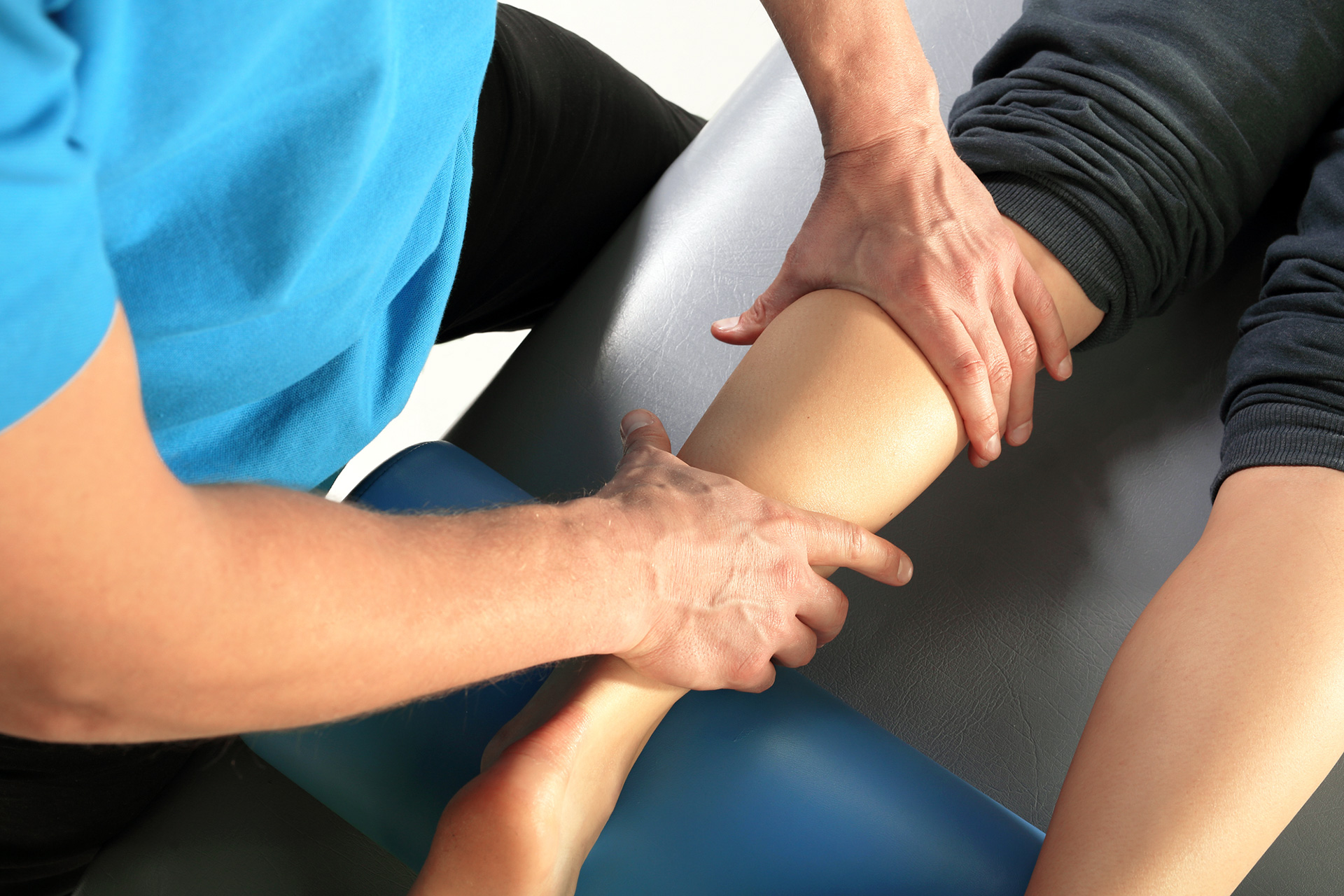
Acute or chronic — the route to recovery starts differently
Sports injuries can happen suddenly or build gradually over time. Identifying which pattern you are dealing with helps guide the next step.
Chronic sports injuries can develop over time through repeated loading of the same joints or muscle groups. A thorough assessment helps establish the cause and shape a comprehensive rehabilitation programme.
Acute Sports Injury
Acute injuries can result from a sudden impact or awkward movement during sport. Immediate symptoms may include pain, swelling and bleeding into the injured tissues.
Chronic Sports Injury
Chronic injuries develop over time, often through repeated use of the same joints or muscle groups. A thorough assessment is important to establish contributing factors and build an appropriate rehabilitation programme.
- look beyond the painful area to factors maintaining the problem.
- progress rehabilitation towards the demands of your sport.
FIRST 48–72 HOURS
Early care: the PRICE principles
For a suitable acute soft-tissue injury without an open wound, the clinic’s current guidance uses the PRICE approach to help limit swelling and protect the injured area.
Protection
Protect the injured structures from further damage — for example with appropriate support.
Rest
Reduce activity enough to protect the injured tissue and allow the body’s healing process to begin.
Ice
Apply wrapped ice or a cold pack for short periods. Never place ice directly on the skin.
Compression
Appropriate compression can help manage swelling around some injured joints and soft tissues.
Elevation
Where appropriate, raise the injured area to help limit swelling during the early stage.
Not every sports injury should be self-managed
Seek urgent medical advice if pain is very severe or worsening, swelling is substantial, you cannot bear weight or move the injured area, it looks deformed, or you are otherwise concerned about a serious injury.
A rehabilitation plan built around your return to sport
The goal is not simply to settle symptoms. Assessment and rehabilitation should help restore movement, rebuild confidence and support the demands of your chosen activity.
01 · ASSESS
Understand the problem
Clarify the nature and severity of the injury and identify factors that may be contributing.
02 · RESTORE
Recover movement
Work towards comfortable movement and appropriate loading as symptoms settle.
03 · REBUILD
Develop capacity
Progress strength, control and tolerance so the injured area can meet sporting demands again.
04 · RETURN
Return with confidence
Build back towards training and sport progressively, based on how the injury responds.
Get in touch
Call Us Directly
01980 625245
Email Enquiries
info@amesburyphysiotherapy.co.uk
Opening Hours
Monday 9am to 7.30pm
Tuesday 9am to 7.30pm
Wednesday 9am to 5pm
Thursday 9am to 5pm
Friday 9am to 3pm
Closed Saturday
Amesbury Physiotherapy Clinic
Amesbury Abbey, Church Street, Amesbury
Wiltshire, SP4 7EX
- Registered with HCPC, CSP & major health insurance providers.
Request an Appointment

Experienced clinicians. Clear next steps.
Amesbury Physiotherapy Clinic is a well-established musculoskeletal Clinic with experienced Therapists with extensive post graduate training.